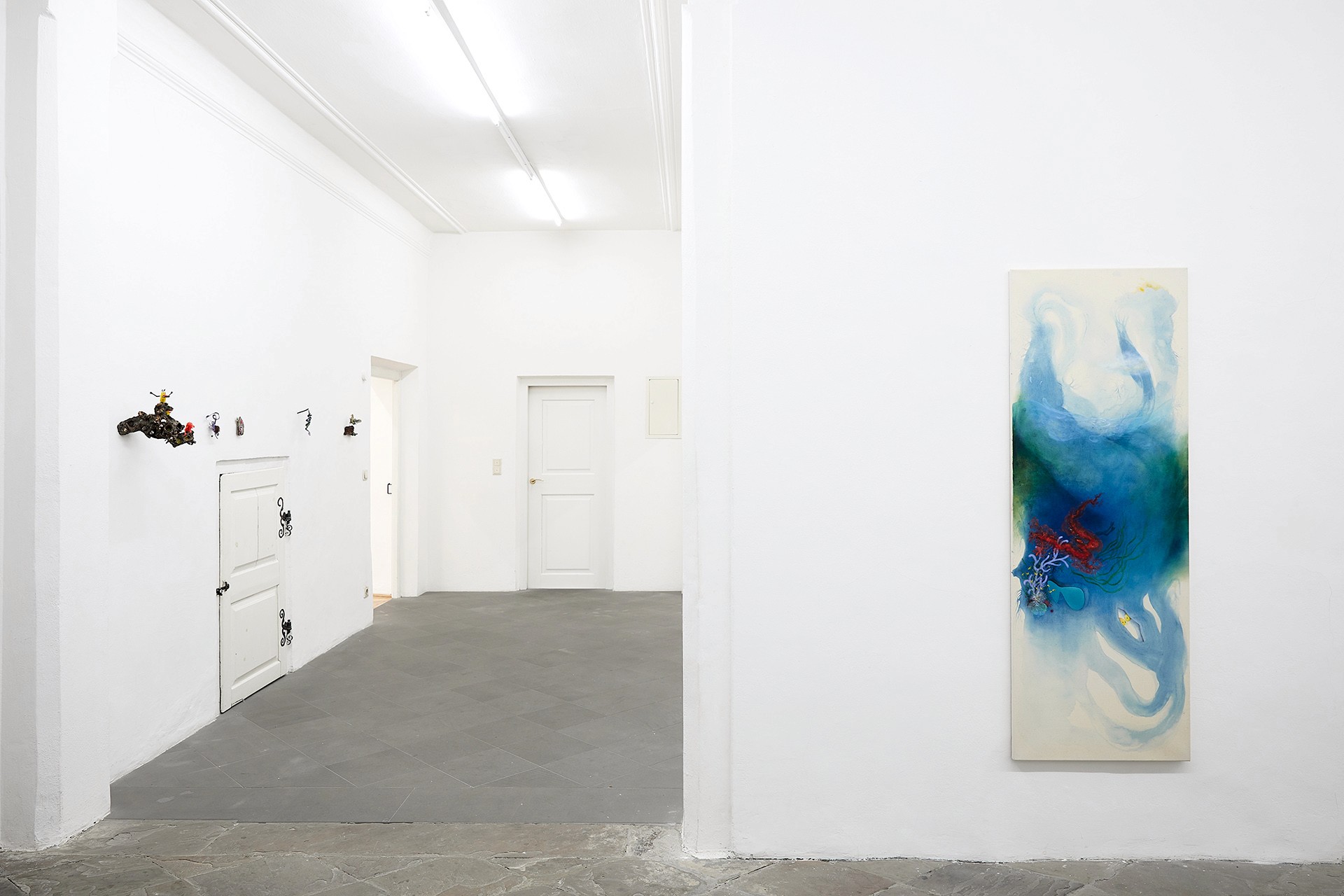
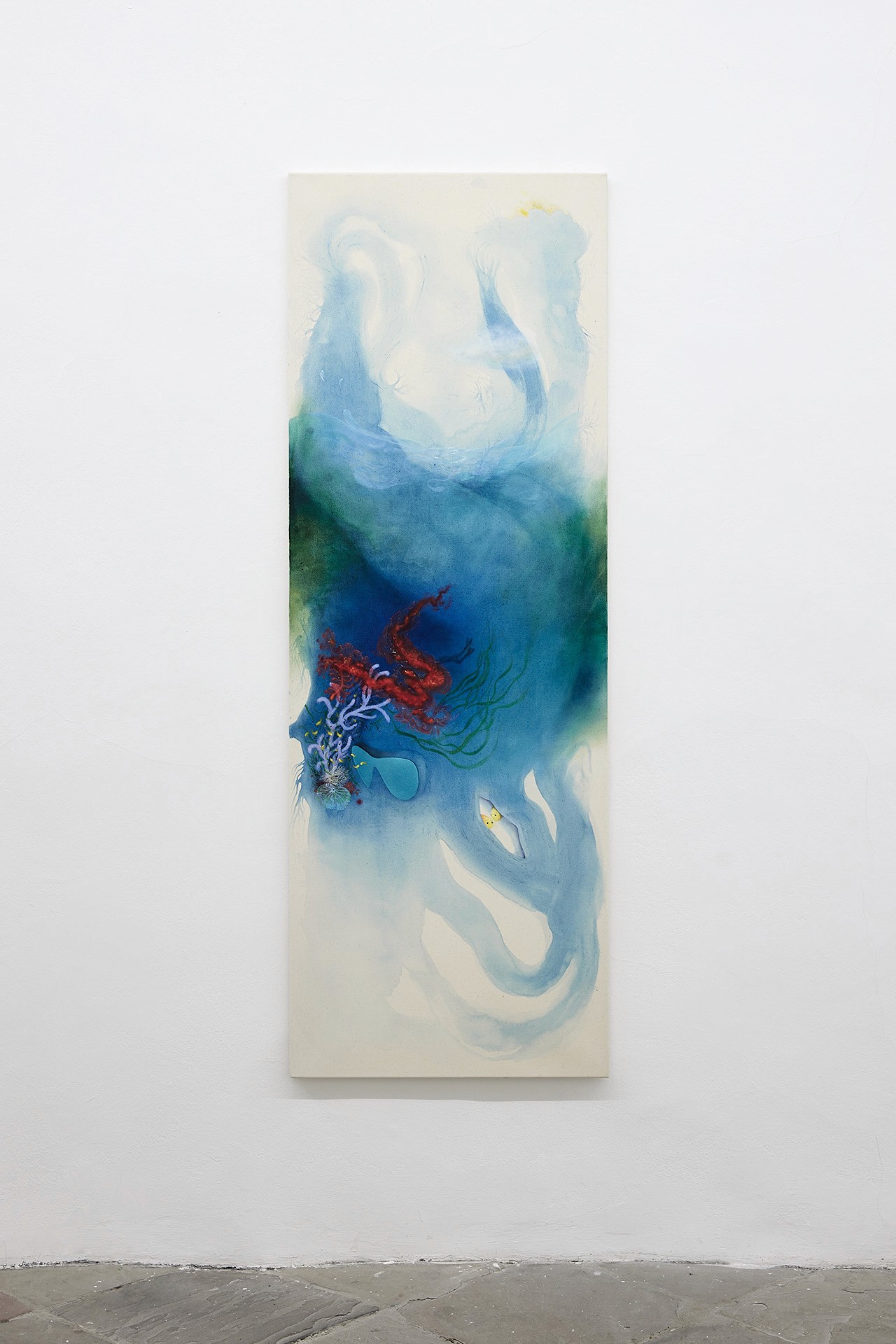
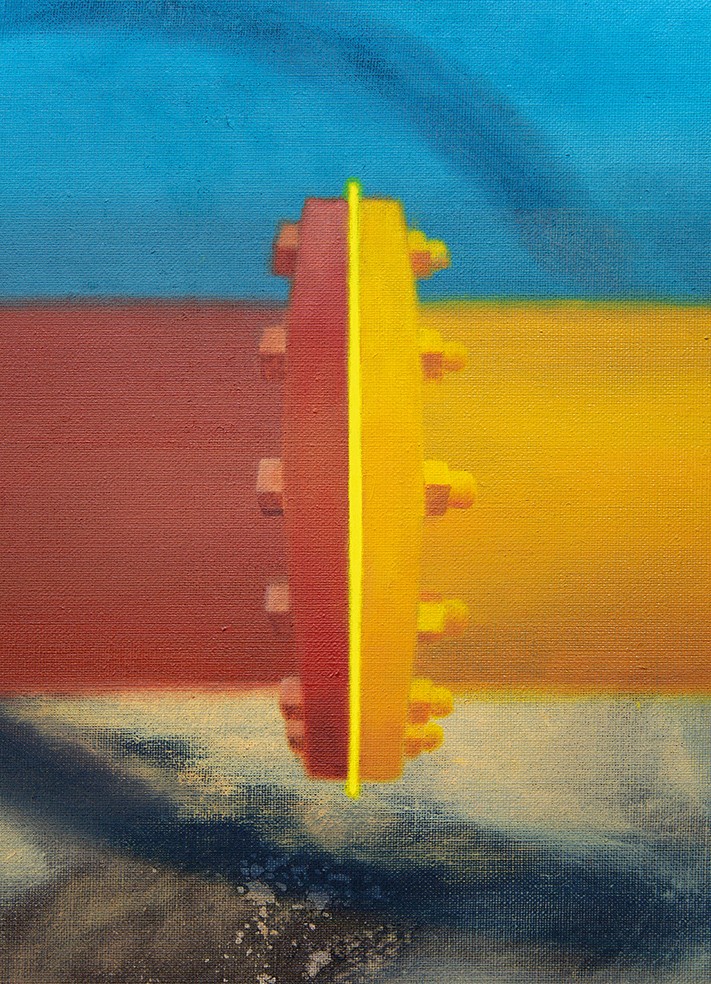
divers, pigmented binder, oil on canvas, 170 x 60 cm, 2021
diggin', 2023
curated by Nadja Ayoub
Text by Monika Georgieva
In a field
I am the absence
of field.
This is
always the case.
Wherever I am
I am what is missing.
When I walk
I part the air
and always
the air moves in
to fill the spaces
where my body’s been.
We all have reasons
for moving.
I move
to keep things whole. 1)
What fascinates me about this poem is the symbiosis between the concepts of absence and wholeness - reminding us that the absence of a physical body can create a wholeness in a system. Sophia Mairer also begins her story by introducing the face of absence - diggin’. When we dig in the earth, the hole that opens before our eyes is the embodiment of absence. What we see is what is missing. Under the soil I am the absence of soil. But what if we decided to jump straight into this same hole we have just dug? Would we begin to see beyond what is missing? Perhaps we would even see things we wish we didn‘t. Dissolving and decomposing are terms most of us prefer to keep buried in the garden. What one feels when standing in front of
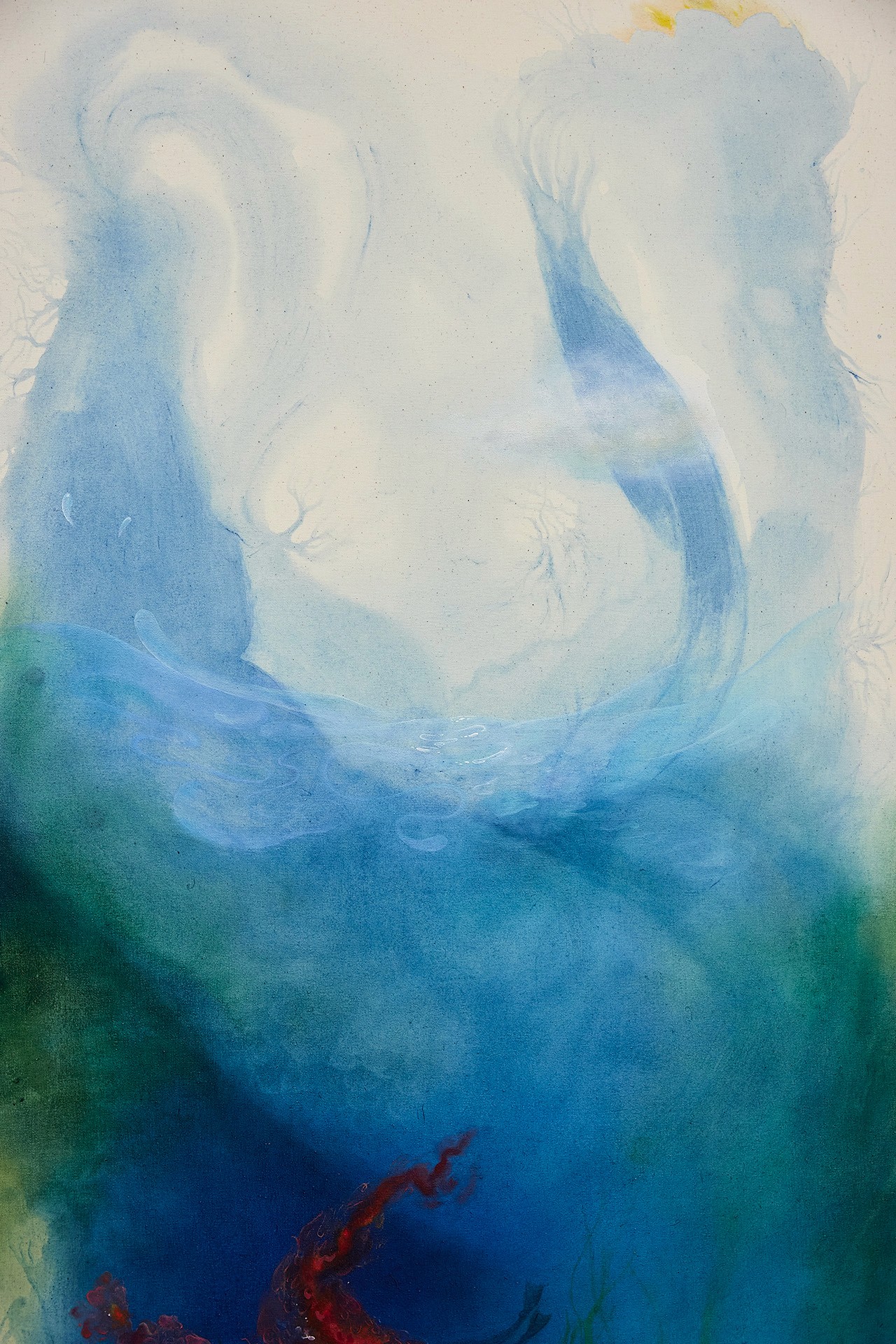
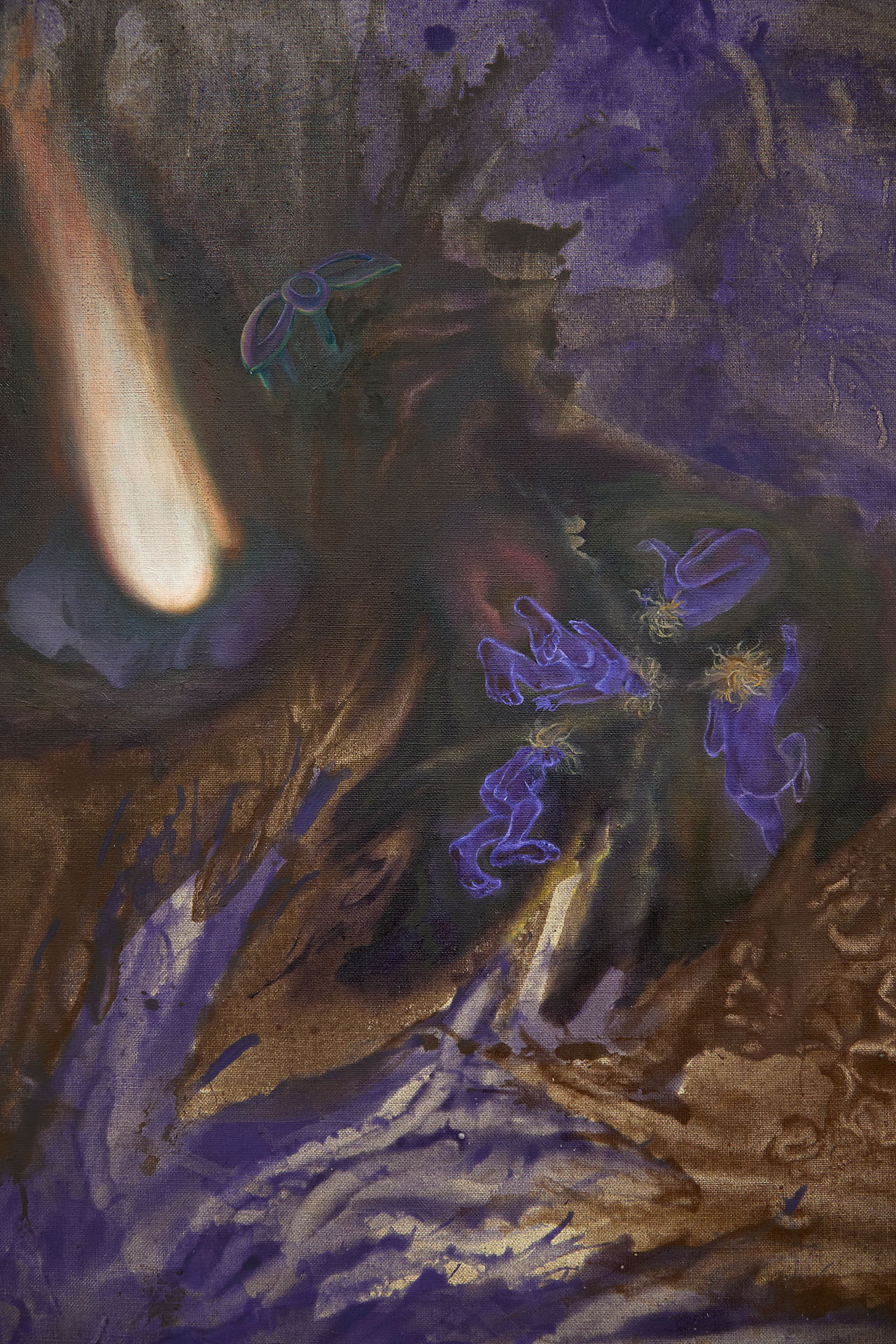
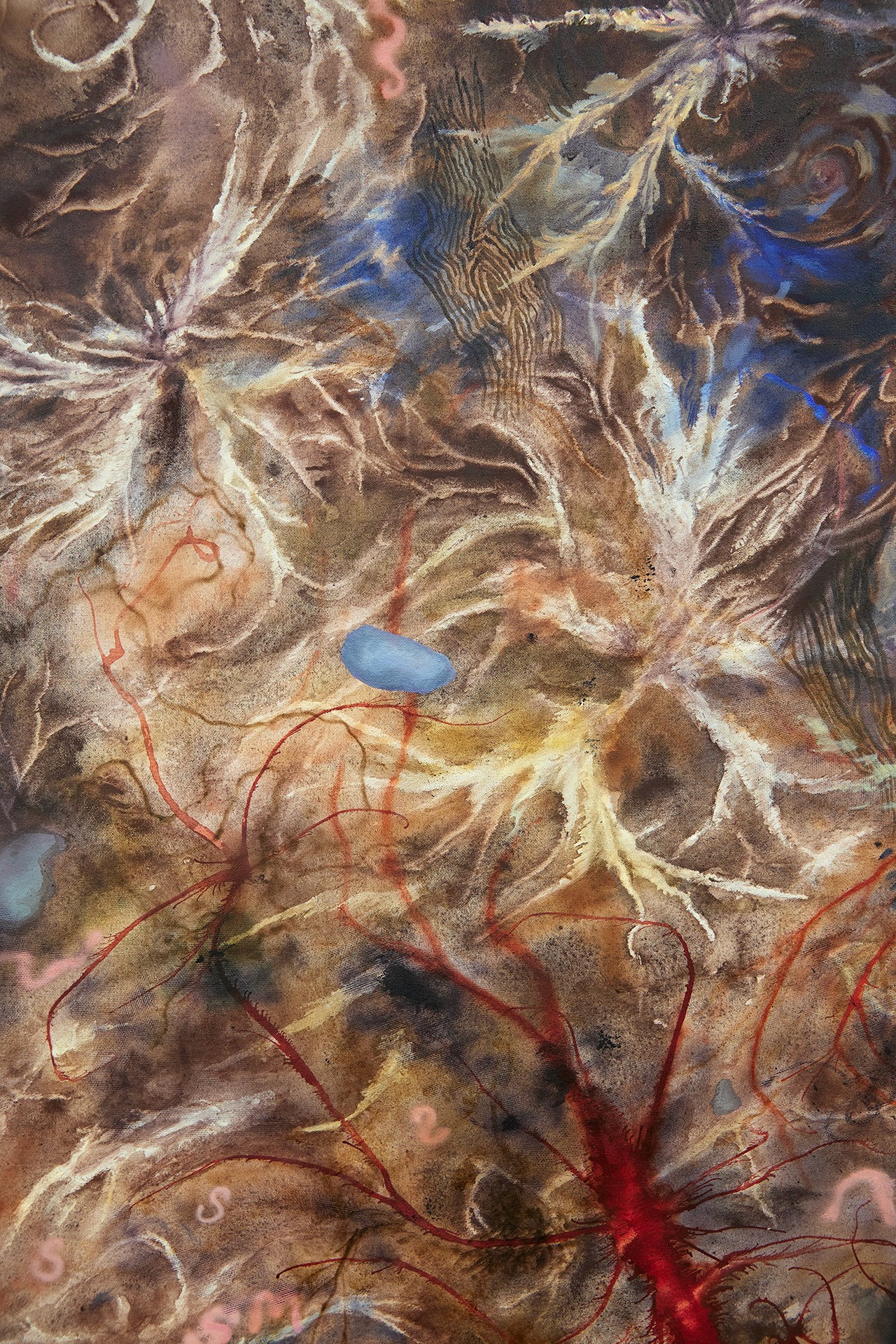
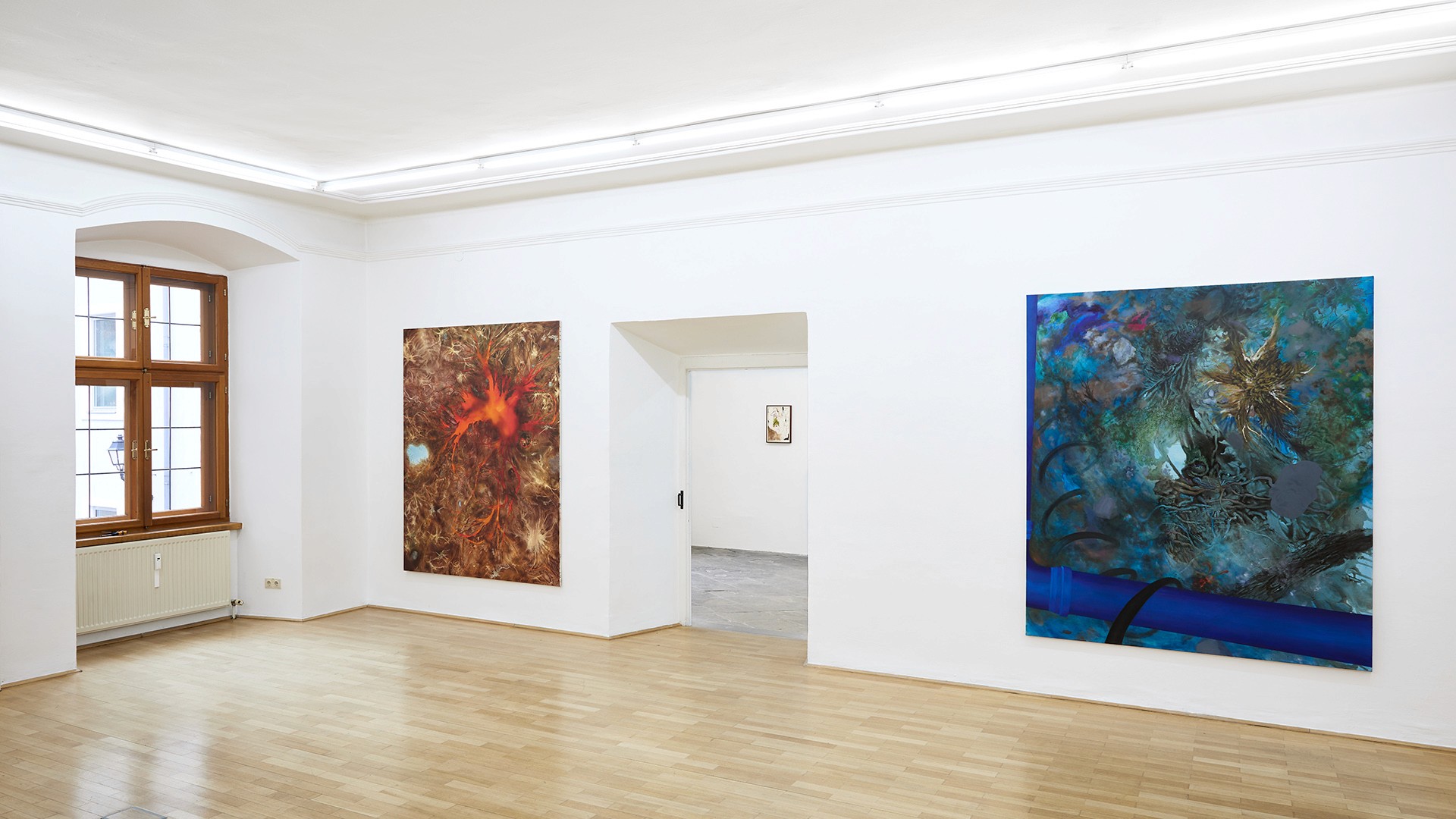
Sophia’s paintings is far from absence, quite the opposite. What we feel is fullness, abundance in the richest, earthiest sense of the word. By hanging her paintings in front of us, Sophia Mairer invites us to experience a different way of seeing within the bowels of the earth. A place we don’t necessarily want to find ourselves at not willingly at least. We look around and we find ourselves below the horizon. We are certain of this, because we can see the blue sky through the belly button of the painting, as the artist herself calls it. Once deeply submerged in Sophia‘s paintings, we adapt to a new, slower pace. Our eyes begin to adjust to the darkness, recognising pulses of light and colour. Our limbs grow longer and we slowly begin to put down roots. Our hair sprouts like mycelia and we become part of a bigger network, a carrying one. One we don’t quite understand yet. Being absorbed in one of Sophia‘s worlds is strangely satisfying, like the feeling you get in your stomach when riding a rollercoaster. Yes, we might be upside down, we can see the tips of our toes when looking up. Falling stars glow around us and forest witches carry running trees in their embrace. Fireflies light our way -we are at home here. Direction and body position become useless concepts. You would know this feeling if you ever found yourself under the roots of a mother tree. The only straight lines in the soil around us are artificial ones. Brightly coloured pipelines interrupt the earthy cosmos and rush in their own directions, suggesting human intervention.
‘I have to ask Sophia where the earth goes after she digs it up,‘ says a good friend of mine, as we talk about painting and digging. Well, we cannot know for sure. It might get washed away by the rain, or become an anthill. But I guess it needs to keep moving, in order to keep things whole.
1) Mark Strand, “Keeping Things Whole” from Selected Poems. Copyright © 1979, 1980 by Mark Strand, source: Selected Poems (Alfred A. Knopf, 2002)
divers, pigmented binder, oil on canvas, 170 x 60 cm, 2021
diggin', 2023
curated by Nadja Ayoub
Text by Monika Georgieva
In a field
I am the absence
of field.
This is
always the case.
Wherever I am
I am what is missing.
When I walk
I part the air
and always
the air moves in
to fill the spaces
where my body’s been.
We all have reasons
for moving.
I move
to keep things whole. 1)
What fascinates me about this poem is the symbiosis between the concepts of absence and wholeness - reminding us that the absence of a physical body can create a wholeness in a system. Sophia Mairer also begins her story by introducing the face of absence - diggin’. When we dig in the earth, the hole that opens before our eyes is the embodiment of absence. What we see is what is missing. Under the soil I am the absence of soil. But what if we decided to jump straight into this same hole we have just dug? Would we begin to see beyond what is missing? Perhaps we would even see things we wish we didn‘t. Dissolving and decomposing are terms most of us prefer to keep buried in the garden. What one feels when standing in front of
Sophia’s paintings is far from absence, quite the opposite. What we feel is fullness, abundance in the richest, earthiest sense of the word. By hanging her paintings in front of us, Sophia Mairer invites us to experience a different way of seeing within the bowels of the earth. A place we don’t necessarily want to find ourselves at not willingly at least. We look around and we find ourselves below the horizon. We are certain of this, because we can see the blue sky through the belly button of the painting, as the artist herself calls it. Once deeply submerged in Sophia‘s paintings, we adapt to a new, slower pace. Our eyes begin to adjust to the darkness, recognising pulses of light and colour. Our limbs grow longer and we slowly begin to put down roots. Our hair sprouts like mycelia and we become part of a bigger network, a carrying one. One we don’t quite understand yet. Being absorbed in one of Sophia‘s worlds is strangely satisfying, like the feeling you get in your stomach when riding a rollercoaster. Yes, we might be upside down, we can see the tips of our toes when looking up. Falling stars glow around us and forest witches carry running trees in their embrace. Fireflies light our way -we are at home here. Direction and body position become useless concepts. You would know this feeling if you ever found yourself under the roots of a mother tree. The only straight lines in the soil around us are artificial ones. Brightly coloured pipelines interrupt the earthy cosmos and rush in their own directions, suggesting human intervention.
‘I have to ask Sophia where the earth goes after she digs it up,‘ says a good friend of mine, as we talk about painting and digging. Well, we cannot know for sure. It might get washed away by the rain, or become an anthill. But I guess it needs to keep moving, in order to keep things whole.
1) Mark Strand, “Keeping Things Whole” from Selected Poems. Copyright © 1979, 1980 by Mark Strand, source: Selected Poems (Alfred A. Knopf, 2002)
divers, pigmented binder, oil on canvas, 170 x 60 cm, 2021
diggin', 2023
curated by Nadja Ayoub
Text by Monika Georgieva
In a field
I am the absence
of field.
This is
always the case.
Wherever I am
I am what is missing.
When I walk
I part the air
and always
the air moves in
to fill the spaces
where my body’s been.
We all have reasons
for moving.
I move
to keep things whole. 1)
What fascinates me about this poem is the symbiosis between the concepts of absence and wholeness - reminding us that the absence of a physical body can create a wholeness in a system. Sophia Mairer also begins her story by introducing the face of absence - diggin’. When we dig in the earth, the hole that opens before our eyes is the embodiment of absence. What we see is what is missing. Under the soil I am the absence of soil. But what if we decided to jump straight into this same hole we have just dug? Would we begin to see beyond what is missing? Perhaps we would even see things we wish we didn‘t. Dissolving and decomposing are terms most of us prefer to keep buried in the garden. What one feels when standing in front of
Sophia’s paintings is far from absence, quite the opposite. What we feel is fullness, abundance in the richest, earthiest sense of the word. By hanging her paintings in front of us, Sophia Mairer invites us to experience a different way of seeing within the bowels of the earth. A place we don’t necessarily want to find ourselves at not willingly at least. We look around and we find ourselves below the horizon. We are certain of this, because we can see the blue sky through the belly button of the painting, as the artist herself calls it. Once deeply submerged in Sophia‘s paintings, we adapt to a new, slower pace. Our eyes begin to adjust to the darkness, recognising pulses of light and colour. Our limbs grow longer and we slowly begin to put down roots. Our hair sprouts like mycelia and we become part of a bigger network, a carrying one. One we don’t quite understand yet. Being absorbed in one of Sophia‘s worlds is strangely satisfying, like the feeling you get in your stomach when riding a rollercoaster. Yes, we might be upside down, we can see the tips of our toes when looking up. Falling stars glow around us and forest witches carry running trees in their embrace. Fireflies light our way -we are at home here. Direction and body position become useless concepts. You would know this feeling if you ever found yourself under the roots of a mother tree. The only straight lines in the soil around us are artificial ones. Brightly coloured pipelines interrupt the earthy cosmos and rush in their own directions, suggesting human intervention.
‘I have to ask Sophia where the earth goes after she digs it up,‘ says a good friend of mine, as we talk about painting and digging. Well, we cannot know for sure. It might get washed away by the rain, or become an anthill. But I guess it needs to keep moving, in order to keep things whole.
1) Mark Strand, “Keeping Things Whole” from Selected Poems. Copyright © 1979, 1980 by Mark Strand, source: Selected Poems (Alfred A. Knopf, 2002)
divers, pigmented binder, oil on canvas, 170 x 60 cm, 2021
diggin', 2023
curated by Nadja Ayoub
Text by Monika Georgieva
In a field
I am the absence
of field.
This is
always the case.
Wherever I am
I am what is missing.
When I walk
I part the air
and always
the air moves in
to fill the spaces
where my body’s been.
We all have reasons
for moving.
I move
to keep things whole. 1)
What fascinates me about this poem is the symbiosis between the concepts of absence and wholeness - reminding us that the absence of a physical body can create a wholeness in a system. Sophia Mairer also begins her story by introducing the face of absence - diggin’. When we dig in the earth, the hole that opens before our eyes is the embodiment of absence. What we see is what is missing. Under the soil I am the absence of soil. But what if we decided to jump straight into this same hole we have just dug? Would we begin to see beyond what is missing? Perhaps we would even see things we wish we didn‘t. Dissolving and decomposing are terms most of us prefer to keep buried in the garden. What one feels when standing in front of
Sophia’s paintings is far from absence, quite the opposite. What we feel is fullness, abundance in the richest, earthiest sense of the word. By hanging her paintings in front of us, Sophia Mairer invites us to experience a different way of seeing within the bowels of the earth. A place we don’t necessarily want to find ourselves at not willingly at least. We look around and we find ourselves below the horizon. We are certain of this, because we can see the blue sky through the belly button of the painting, as the artist herself calls it. Once deeply submerged in Sophia‘s paintings, we adapt to a new, slower pace. Our eyes begin to adjust to the darkness, recognising pulses of light and colour. Our limbs grow longer and we slowly begin to put down roots. Our hair sprouts like mycelia and we become part of a bigger network, a carrying one. One we don’t quite understand yet. Being absorbed in one of Sophia‘s worlds is strangely satisfying, like the feeling you get in your stomach when riding a rollercoaster. Yes, we might be upside down, we can see the tips of our toes when looking up. Falling stars glow around us and forest witches carry running trees in their embrace. Fireflies light our way -we are at home here. Direction and body position become useless concepts. You would know this feeling if you ever found yourself under the roots of a mother tree. The only straight lines in the soil around us are artificial ones. Brightly coloured pipelines interrupt the earthy cosmos and rush in their own directions, suggesting human intervention.
‘I have to ask Sophia where the earth goes after she digs it up,‘ says a good friend of mine, as we talk about painting and digging. Well, we cannot know for sure. It might get washed away by the rain, or become an anthill. But I guess it needs to keep moving, in order to keep things whole.
1) Mark Strand, “Keeping Things Whole” from Selected Poems. Copyright © 1979, 1980 by Mark Strand, source: Selected Poems (Alfred A. Knopf, 2002)
divers, pigmented binder, oil on canvas, 170 x 60 cm, 2021
diggin', 2023
curated by Nadja Ayoub
Text by Monika Georgieva
In a field
I am the absence
of field.
This is
always the case.
Wherever I am
I am what is missing.
When I walk
I part the air
and always
the air moves in
to fill the spaces
where my body’s been.
We all have reasons
for moving.
I move
to keep things whole. 1)
What fascinates me about this poem is the symbiosis between the concepts of absence and wholeness - reminding us that the absence of a physical body can create a wholeness in a system. Sophia Mairer also begins her story by introducing the face of absence - diggin’. When we dig in the earth, the hole that opens before our eyes is the embodiment of absence. What we see is what is missing. Under the soil I am the absence of soil. But what if we decided to jump straight into this same hole we have just dug? Would we begin to see beyond what is missing? Perhaps we would even see things we wish we didn‘t. Dissolving and decomposing are terms most of us prefer to keep buried in the garden. What one feels when standing in front of
Sophia’s paintings is far from absence, quite the opposite. What we feel is fullness, abundance in the richest, earthiest sense of the word. By hanging her paintings in front of us, Sophia Mairer invites us to experience a different way of seeing within the bowels of the earth. A place we don’t necessarily want to find ourselves at not willingly at least. We look around and we find ourselves below the horizon. We are certain of this, because we can see the blue sky through the belly button of the painting, as the artist herself calls it. Once deeply submerged in Sophia‘s paintings, we adapt to a new, slower pace. Our eyes begin to adjust to the darkness, recognising pulses of light and colour. Our limbs grow longer and we slowly begin to put down roots. Our hair sprouts like mycelia and we become part of a bigger network, a carrying one. One we don’t quite understand yet. Being absorbed in one of Sophia‘s worlds is strangely satisfying, like the feeling you get in your stomach when riding a rollercoaster. Yes, we might be upside down, we can see the tips of our toes when looking up. Falling stars glow around us and forest witches carry running trees in their embrace. Fireflies light our way -we are at home here. Direction and body position become useless concepts. You would know this feeling if you ever found yourself under the roots of a mother tree. The only straight lines in the soil around us are artificial ones. Brightly coloured pipelines interrupt the earthy cosmos and rush in their own directions, suggesting human intervention.
‘I have to ask Sophia where the earth goes after she digs it up,‘ says a good friend of mine, as we talk about painting and digging. Well, we cannot know for sure. It might get washed away by the rain, or become an anthill. But I guess it needs to keep moving, in order to keep things whole.
1) Mark Strand, “Keeping Things Whole” from Selected Poems. Copyright © 1979, 1980 by Mark Strand, source: Selected Poems (Alfred A. Knopf, 2002)
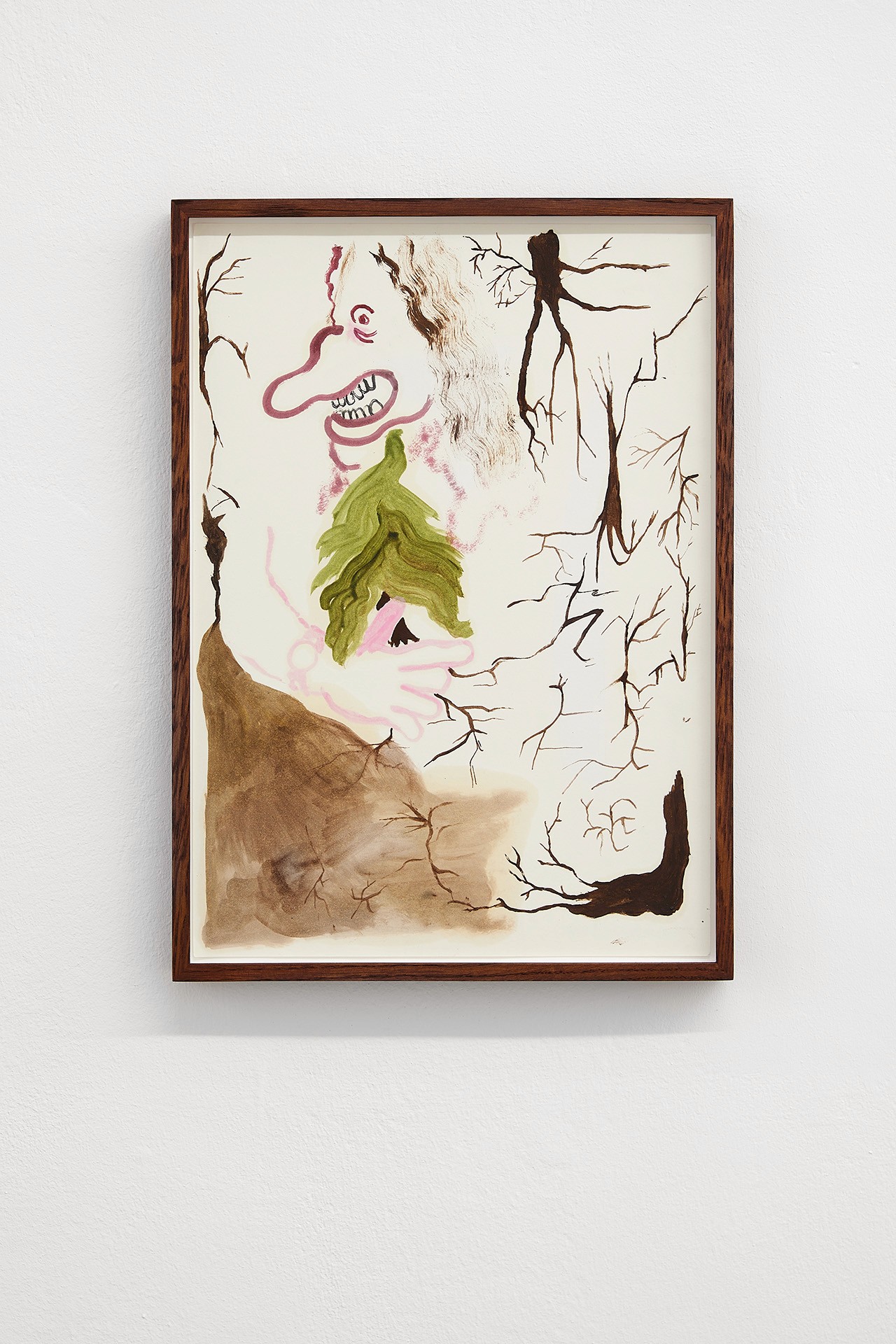
jogger, oil on paper, framed, 42 x 27,9 cm, 2017
jogger, oil on paper, framed, 42 x 27,9 cm, 2017
jogger, oil on paper, framed, 42 x 27,9 cm, 2017
jogger, oil on paper, framed, 42 x 27,9 cm, 2017
jogger, oil on paper, framed, 42 x 27,9 cm, 2017
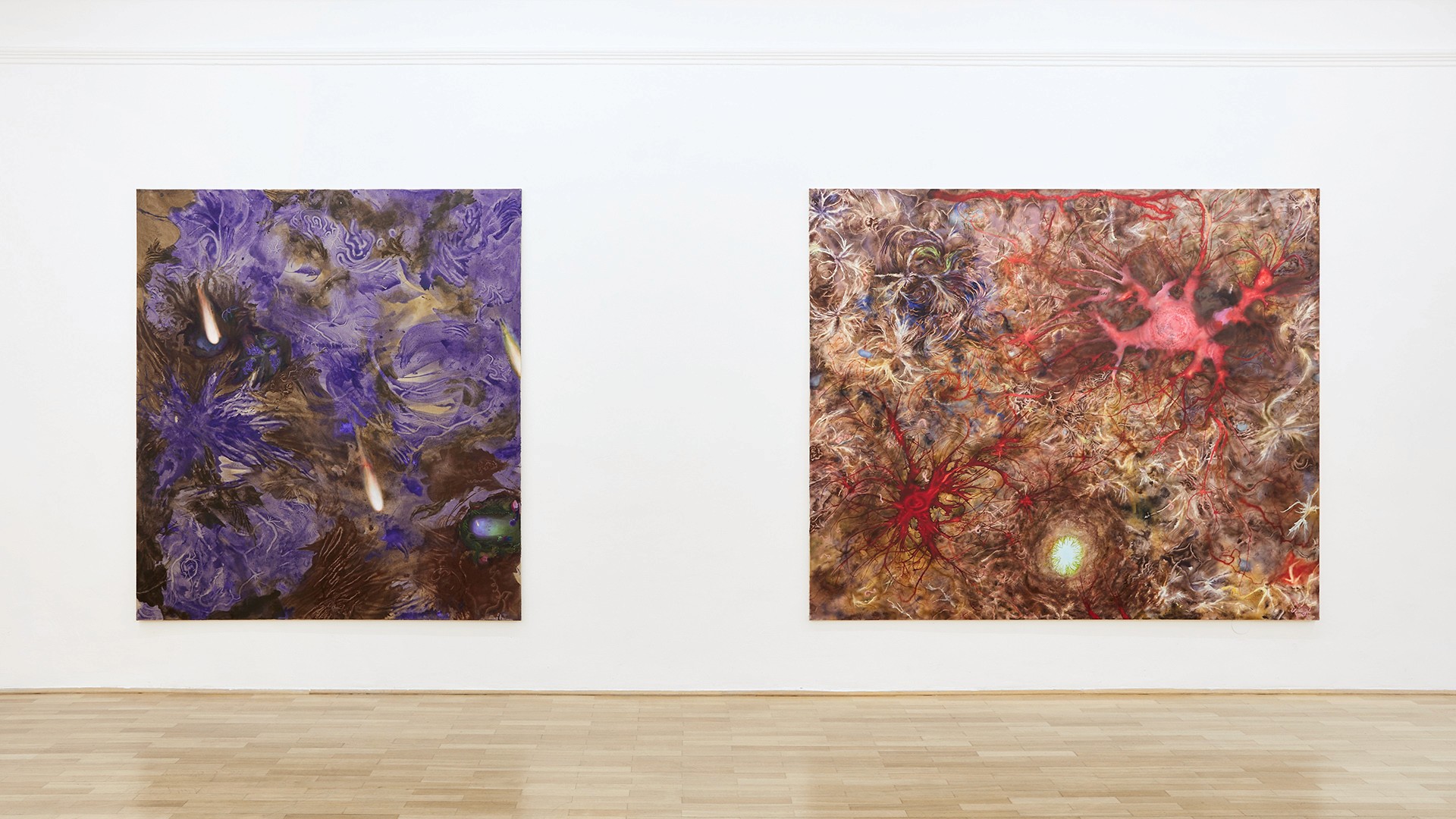
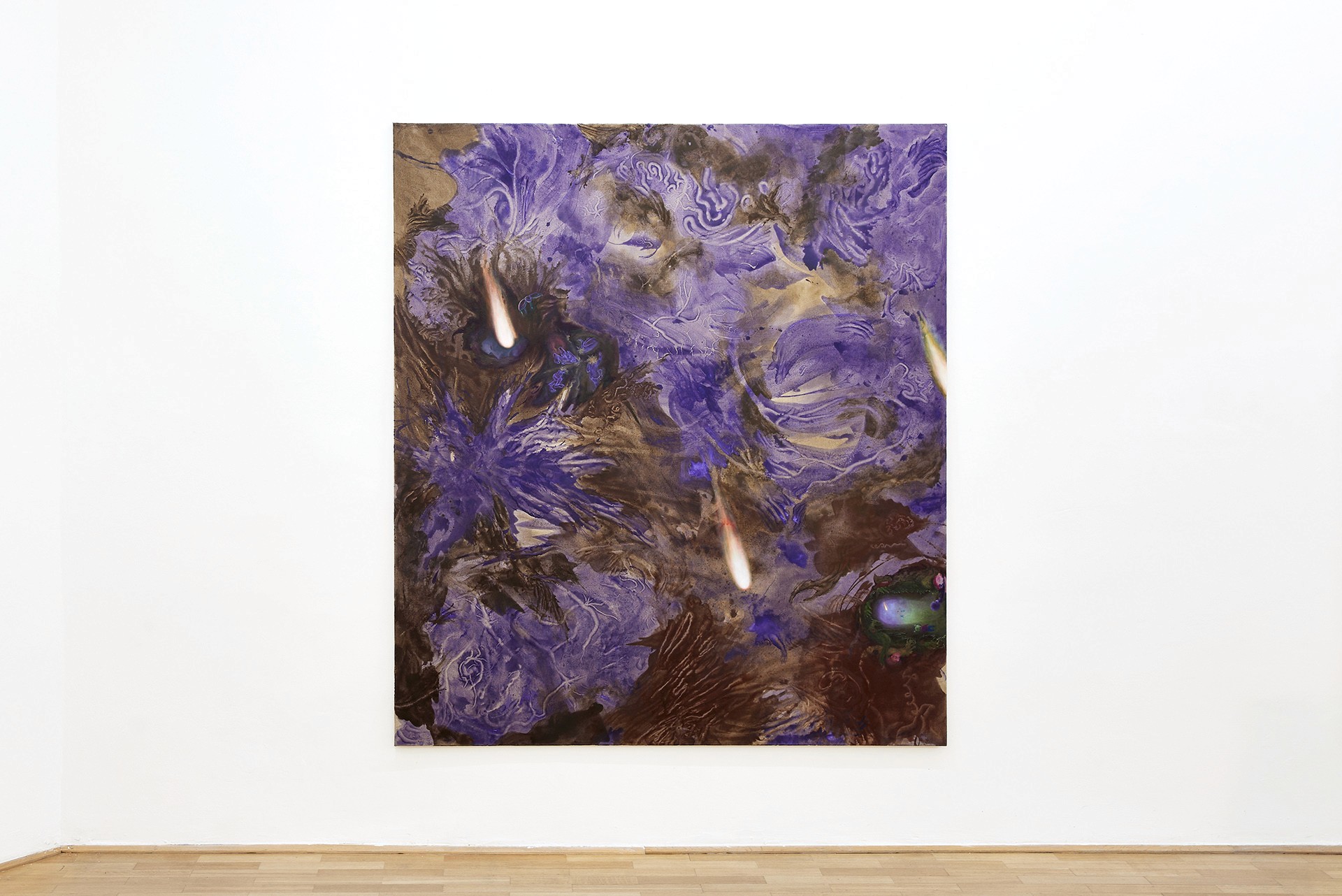
sick of telling up from down, pigmented binder, oil on canvas, 200 x 180 cm, 2023
sick of telling up from down, pigmented binder, oil on canvas, 200 x 180 cm, 2023
sick of telling up from down, pigmented binder, oil on canvas, 200 x 180 cm, 2023
sick of telling up from down, pigmented binder, oil on canvas, 200 x 180 cm, 2023
sick of telling up from down, pigmented binder, oil on canvas, 200 x 180 cm, 2023
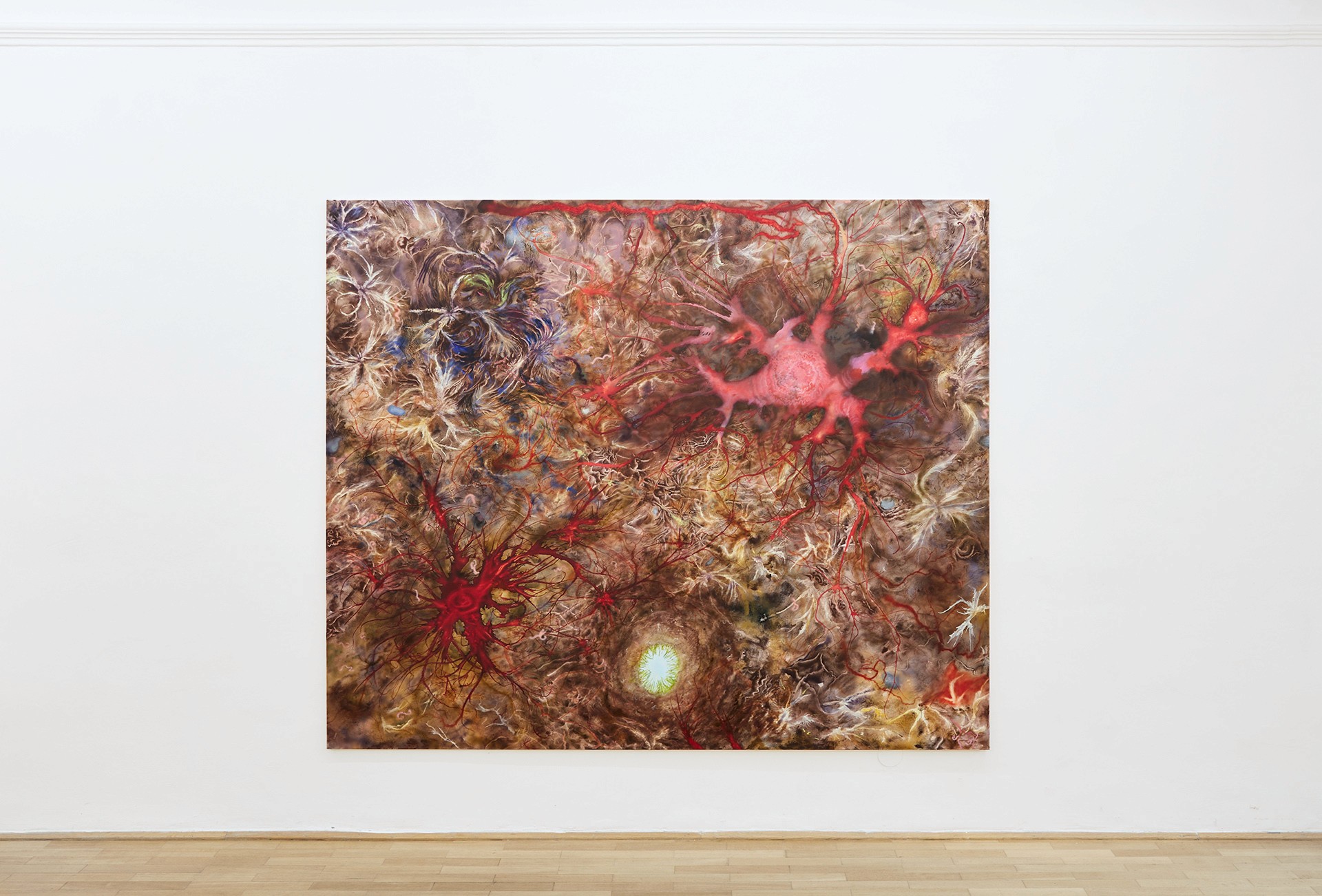
diggin‘, ink, pigmented binder, oil on canvas, 200 x 240 cm, 2022
diggin‘, ink, pigmented binder, oil on canvas, 200 x 240 cm, 2022
diggin‘, ink, pigmented binder, oil on canvas, 200 x 240 cm, 2022
diggin‘, ink, pigmented binder, oil on canvas, 200 x 240 cm, 2022
diggin‘, ink, pigmented binder, oil on canvas, 200 x 240 cm, 2022
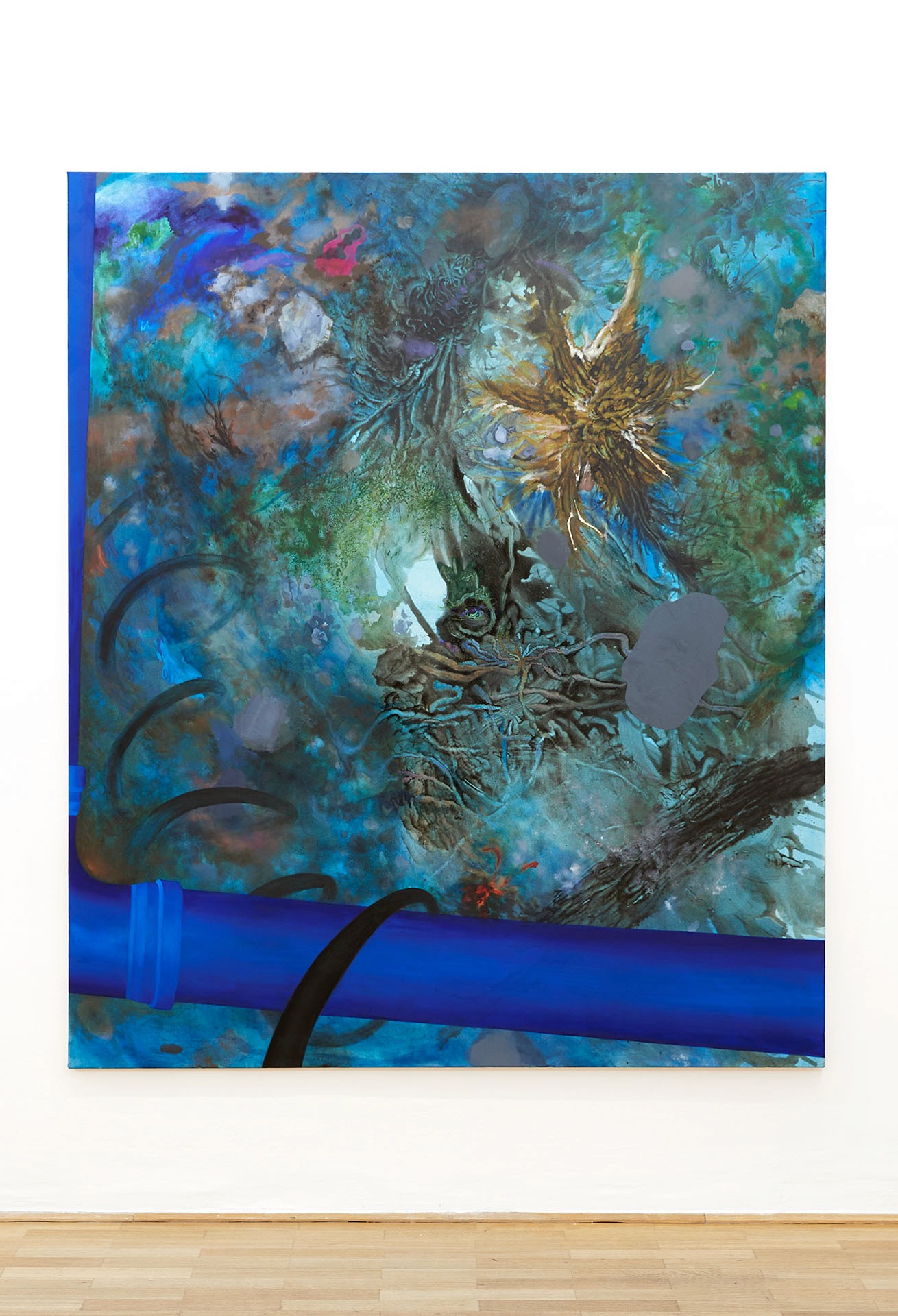
the bowels of the earth, pigmented binder, oil on canvas, 200 x 170 cm, 2022
the bowels of the earth, pigmented binder, oil on canvas, 200 x 170 cm, 2022
the bowels of the earth, pigmented binder, oil on canvas, 200 x 170 cm, 2022
the bowels of the earth, pigmented binder, oil on canvas, 200 x 170 cm, 2022
the bowels of the earth, pigmented binder, oil on canvas, 200 x 170 cm, 2022
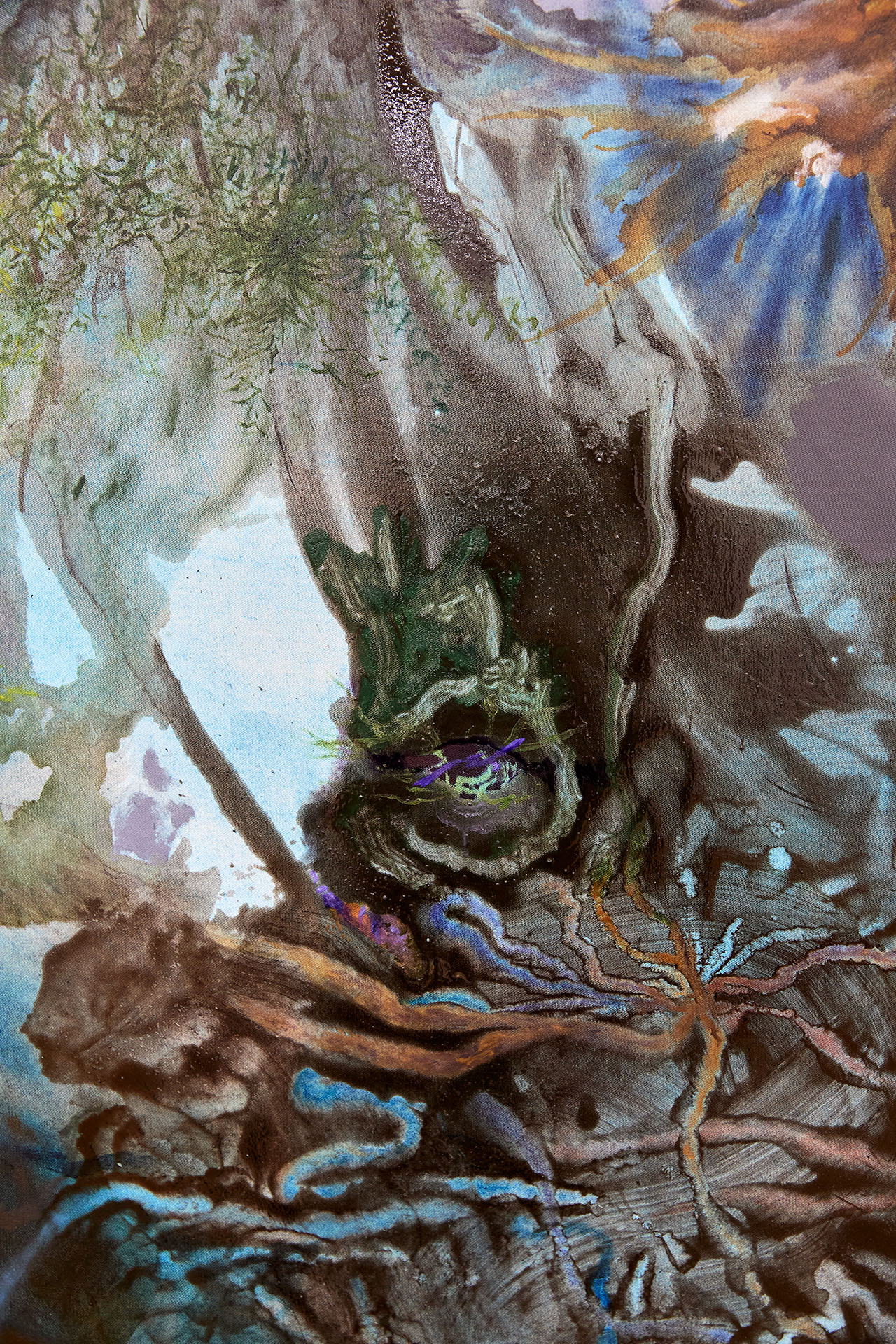
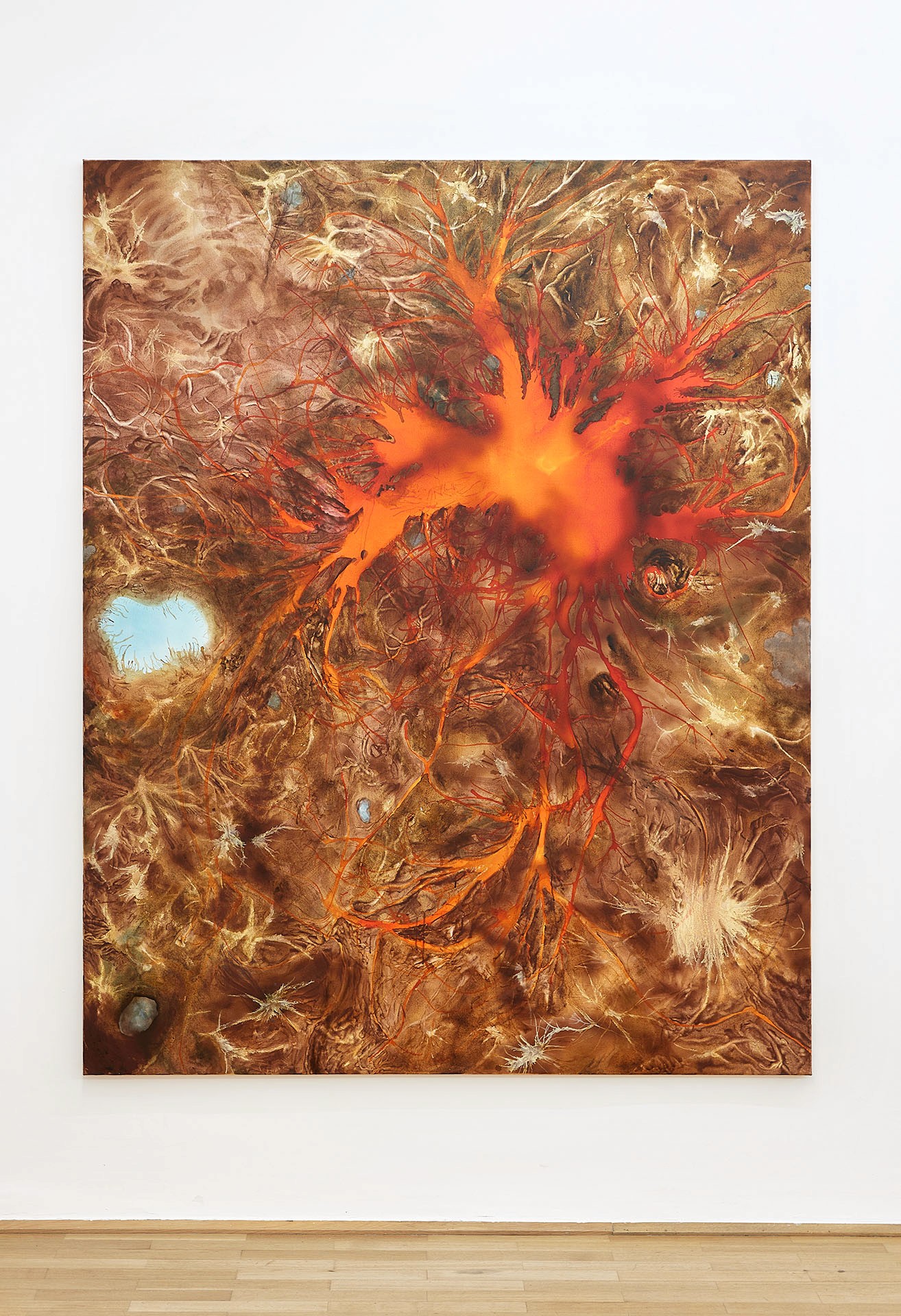
rooting, ink, pigmented binder, oil on canvas, 200 x 175 cm, 2022
rooting, ink, pigmented binder, oil on canvas, 200 x 175 cm, 2022
rooting, ink, pigmented binder, oil on canvas, 200 x 175 cm, 2022
rooting, ink, pigmented binder, oil on canvas, 200 x 175 cm, 2022
rooting, ink, pigmented binder, oil on canvas, 200 x 175 cm, 2022
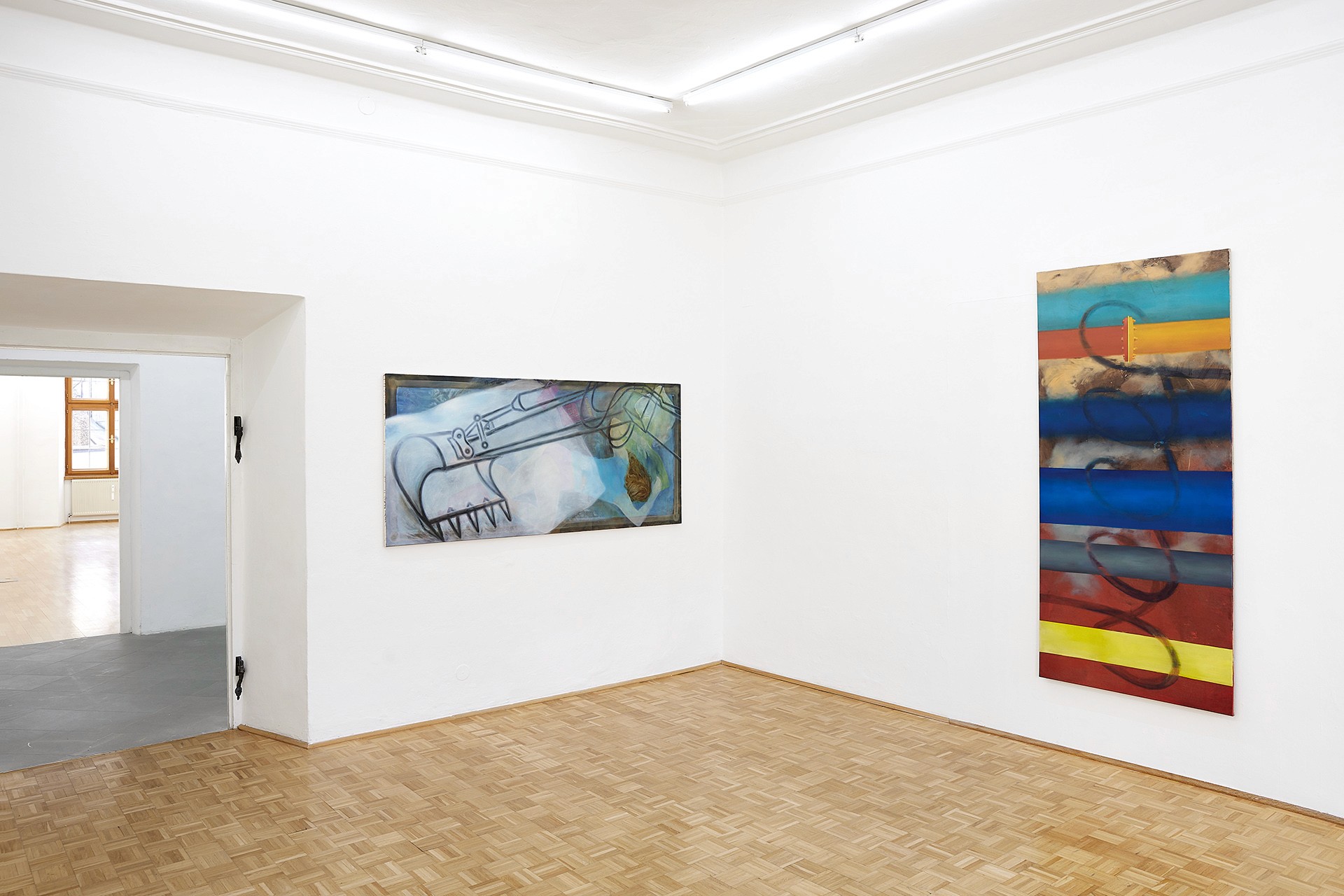
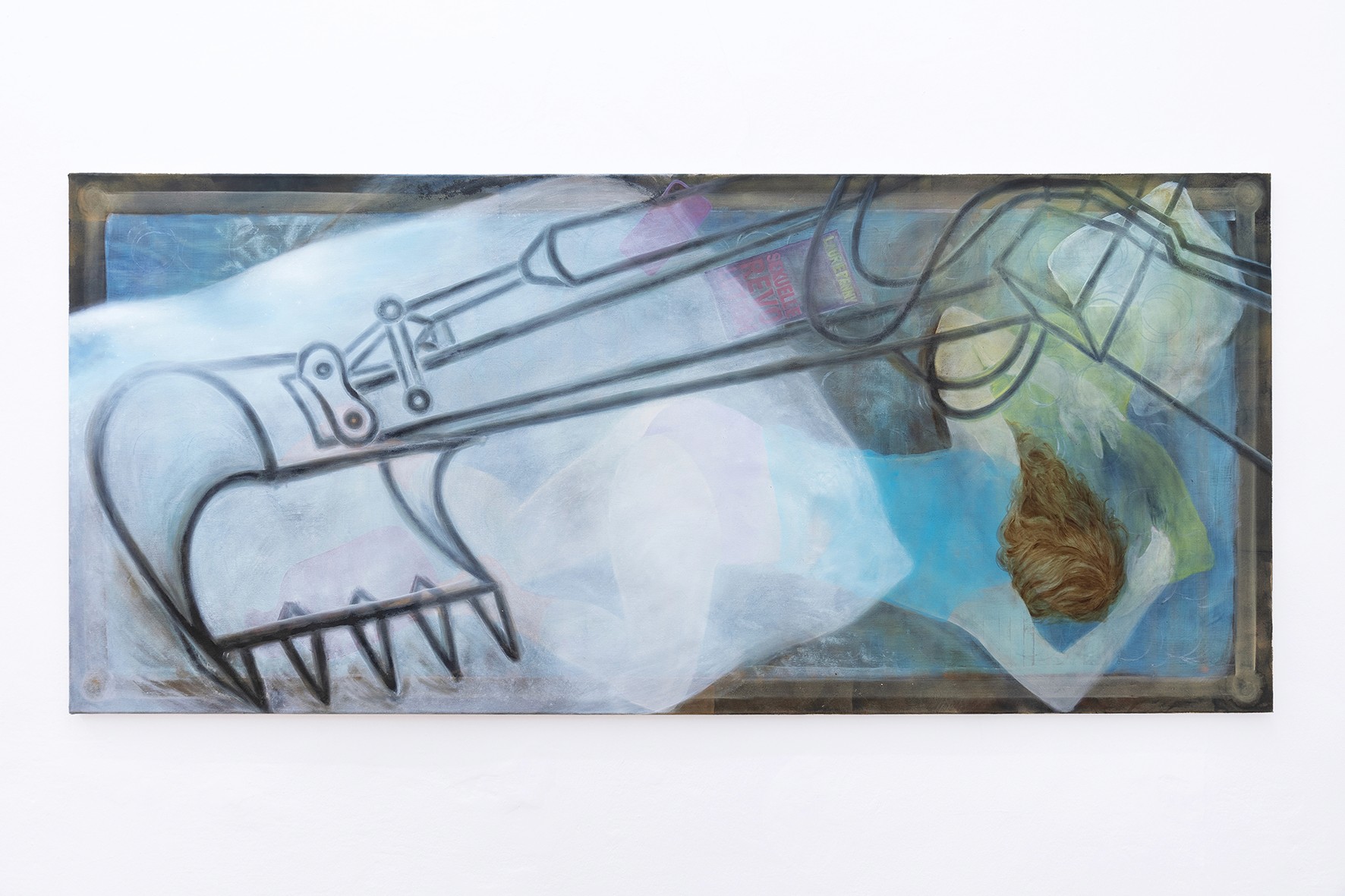
erode, pigmented binder, acrylic and oil on canvas, 90 x 200 cm, 2023
erode, pigmented binder, acrylic and oil on canvas, 90 x 200 cm, 2023
erode, pigmented binder, acrylic and oil on canvas, 90 x 200 cm, 2023
erode, pigmented binder, acrylic and oil on canvas, 90 x 200 cm, 2023
erode, pigmented binder, acrylic and oil on canvas, 90 x 200 cm, 2023
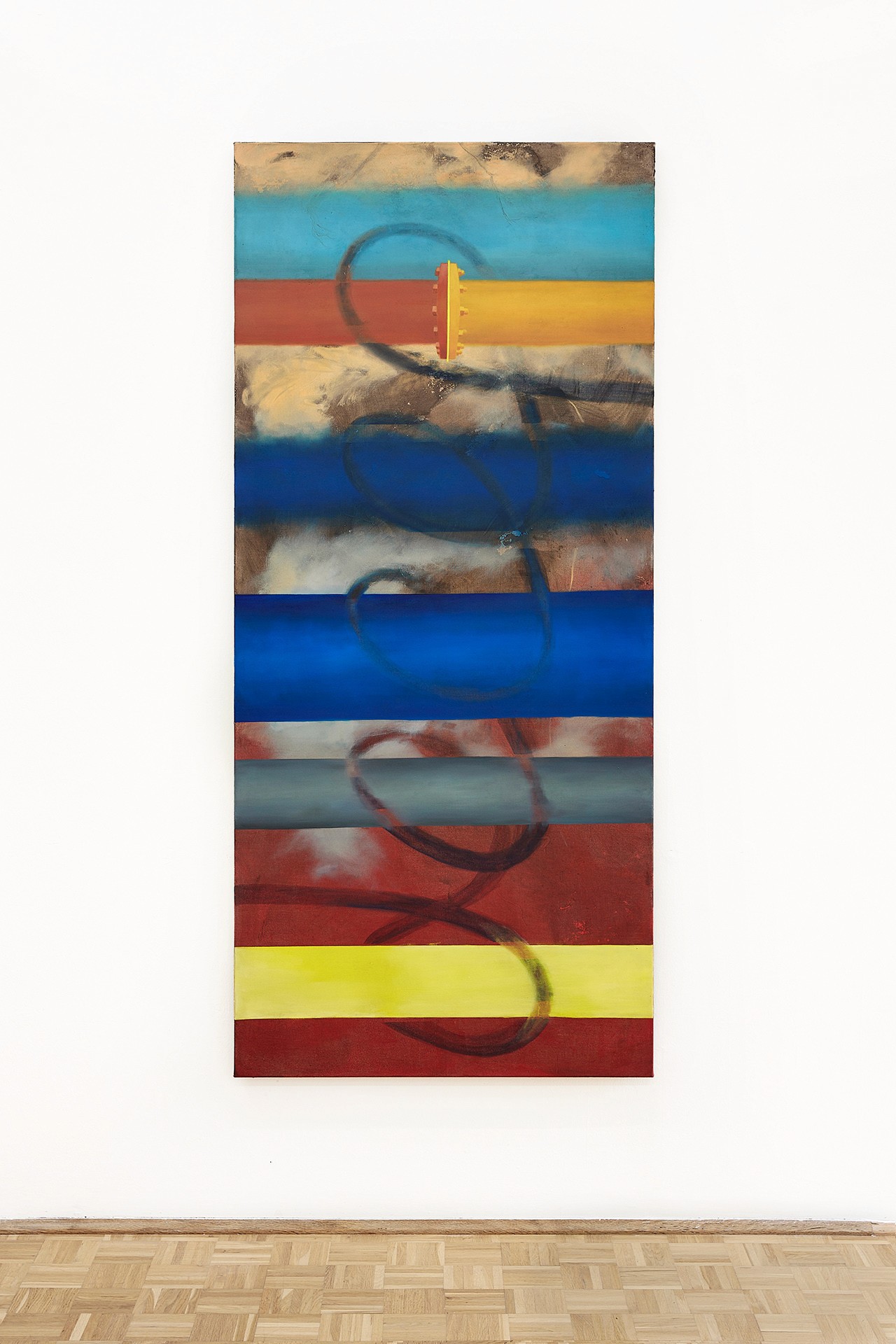
deeep, pigmented binder, acrylic and oil on canvas, 200 x 90 cm, 2023
deeep, pigmented binder, acrylic and oil on canvas, 200 x 90 cm, 2023
deeep, pigmented binder, acrylic and oil on canvas, 200 x 90 cm, 2023
deeep, pigmented binder, acrylic and oil on canvas, 200 x 90 cm, 2023
deeep, pigmented binder, acrylic and oil on canvas, 200 x 90 cm, 2023
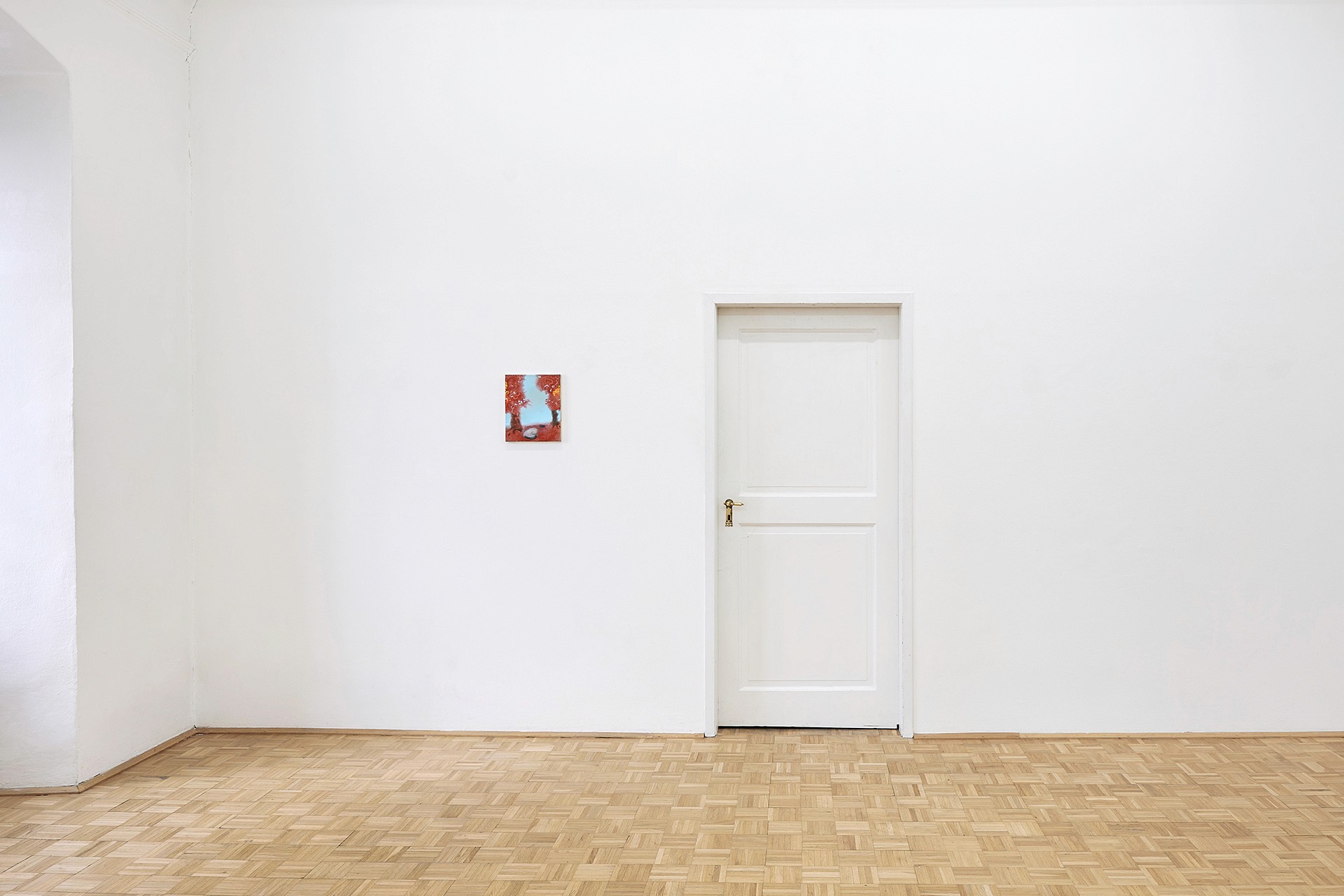
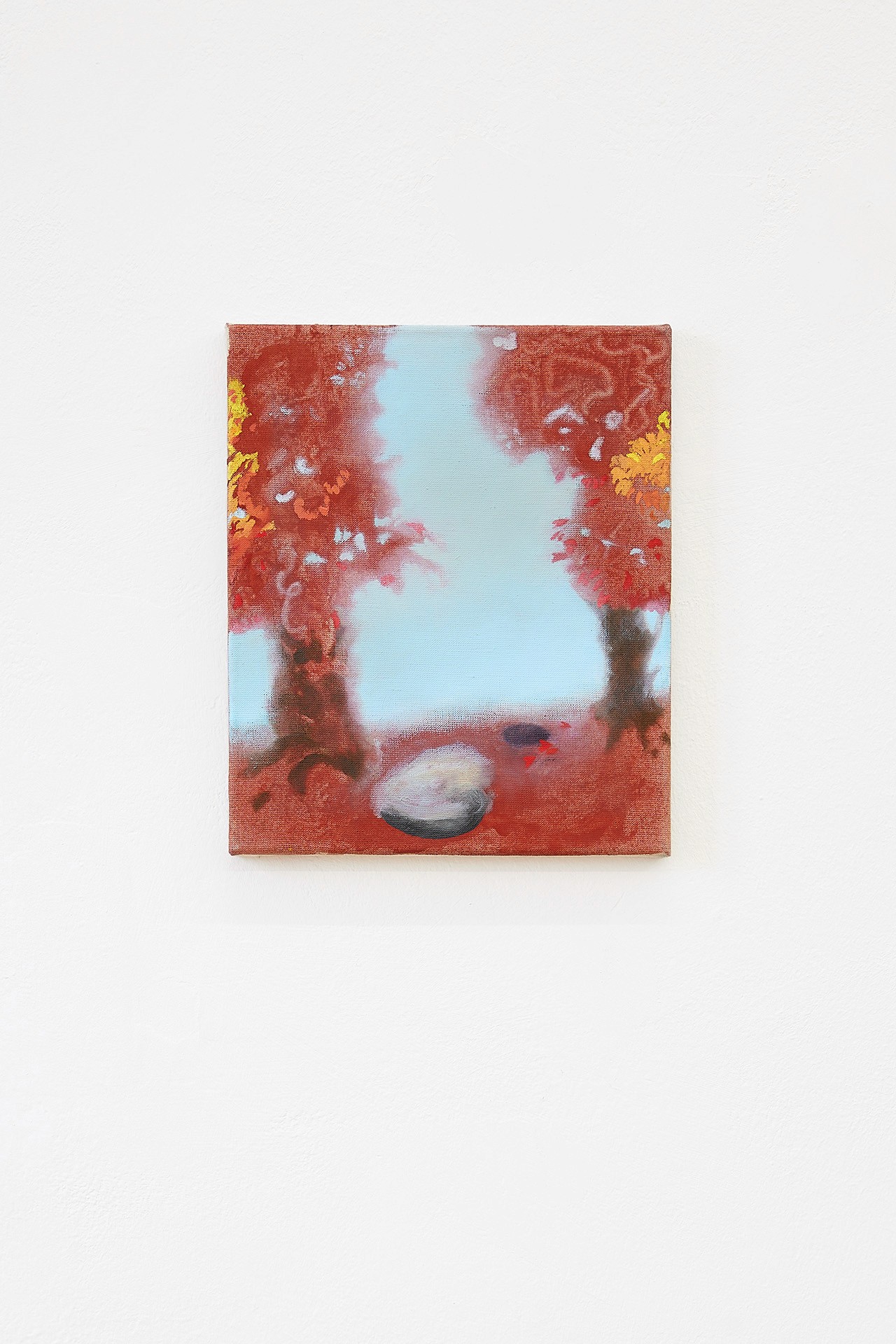
fall, pigmented binder, oil on canvas, 30 x 25 cm, 2023
fall, pigmented binder, oil on canvas, 30 x 25 cm, 2023
fall, pigmented binder, oil on canvas, 30 x 25 cm, 2023
fall, pigmented binder, oil on canvas, 30 x 25 cm, 2023
fall, pigmented binder, oil on canvas, 30 x 25 cm, 2023
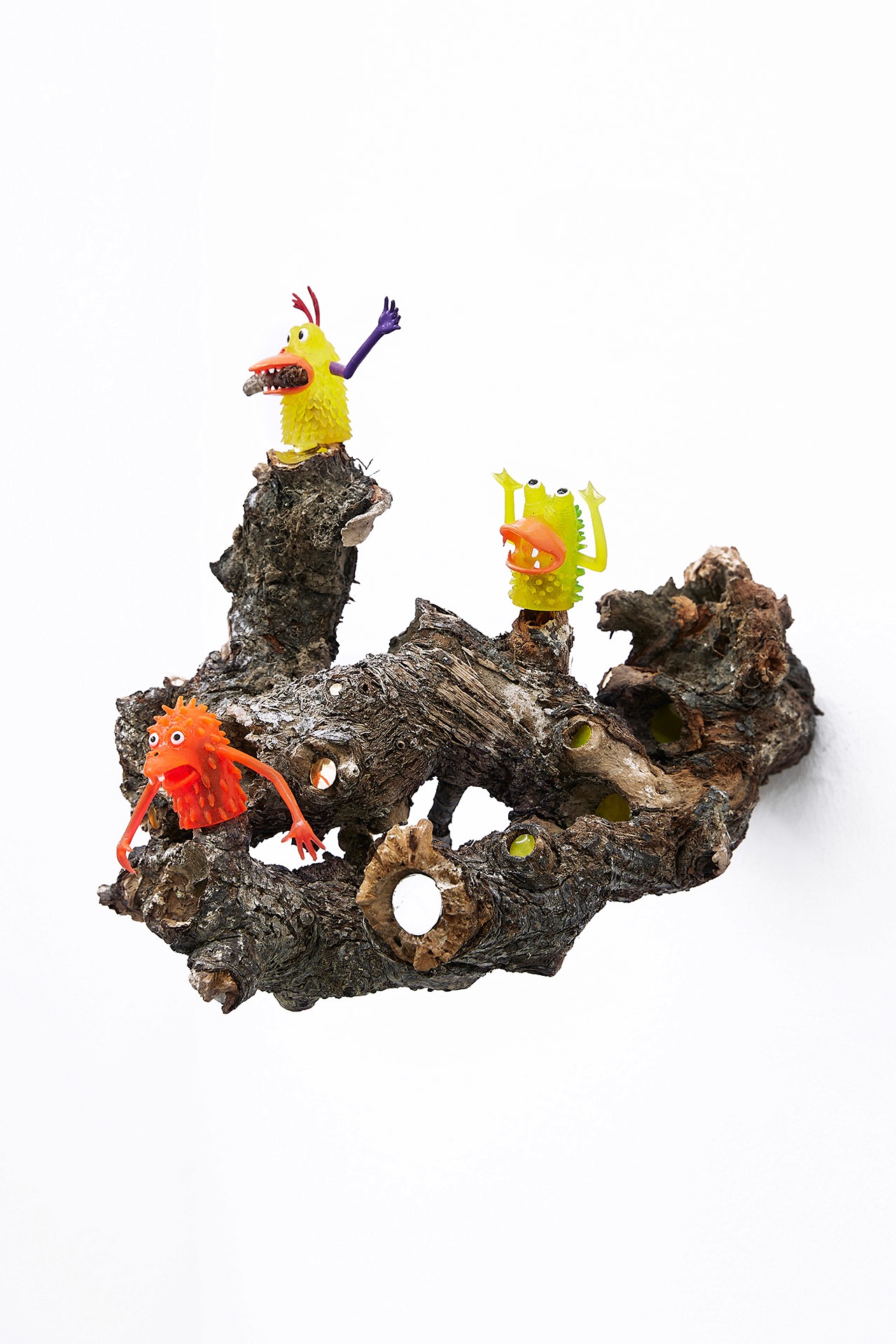
introspection, found objects, foil, 27 x 20 x 32 cm, 2023
introspection, found objects, foil, 27 x 20 x 32 cm, 2023
introspection, found objects, foil, 27 x 20 x 32 cm, 2023
introspection, found objects, foil, 27 x 20 x 32 cm, 2023
introspection, found objects, foil, 27 x 20 x 32 cm, 2023
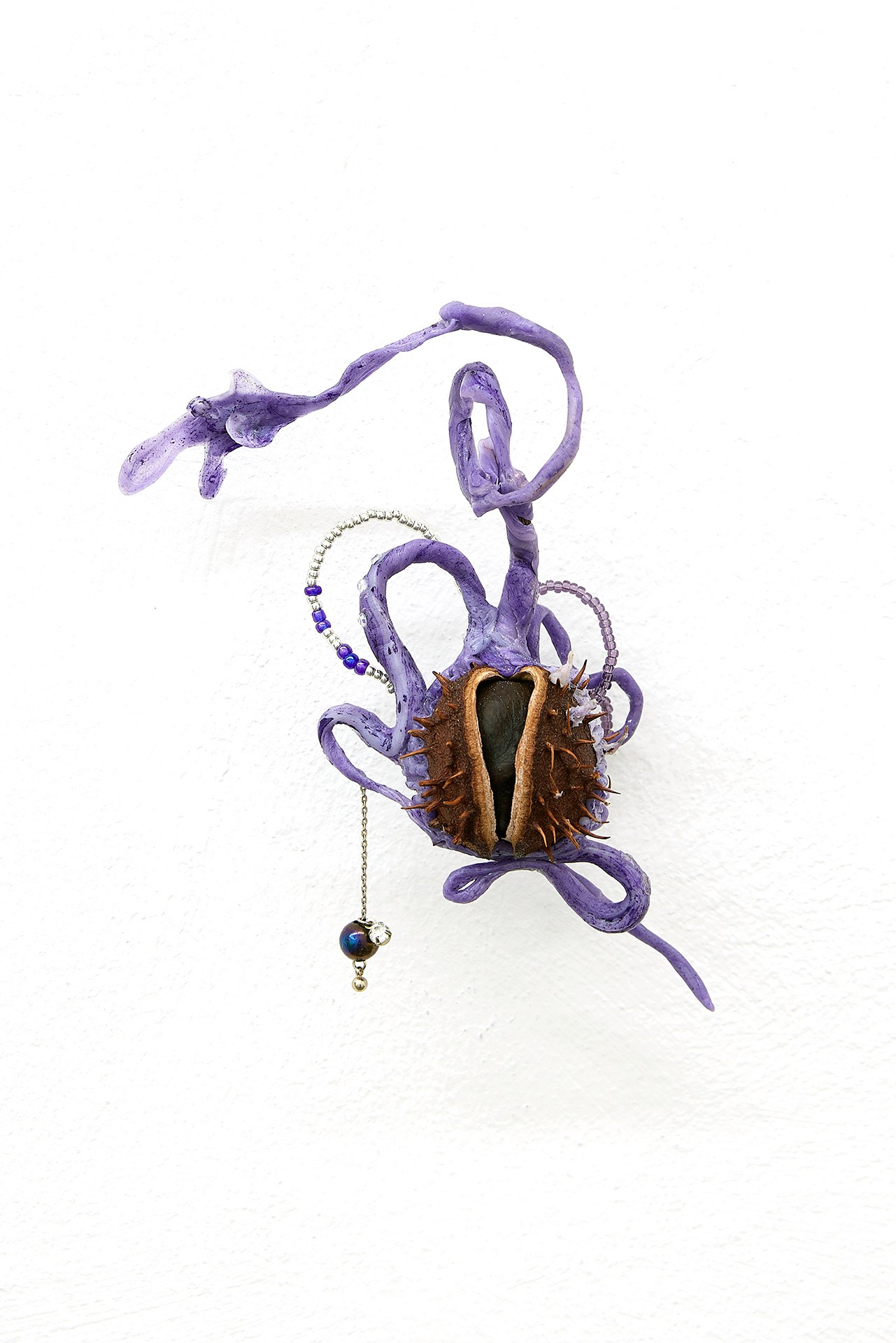
gloriettes, found objects, polymorph, 14 x 11 x 6 cm, 2023
gloriettes, found objects, polymorph, 14 x 11 x 6 cm, 2023
gloriettes, found objects, polymorph, 14 x 11 x 6 cm, 2023
gloriettes, found objects, polymorph, 14 x 11 x 6 cm, 2023
gloriettes, found objects, polymorph, 14 x 11 x 6 cm, 2023
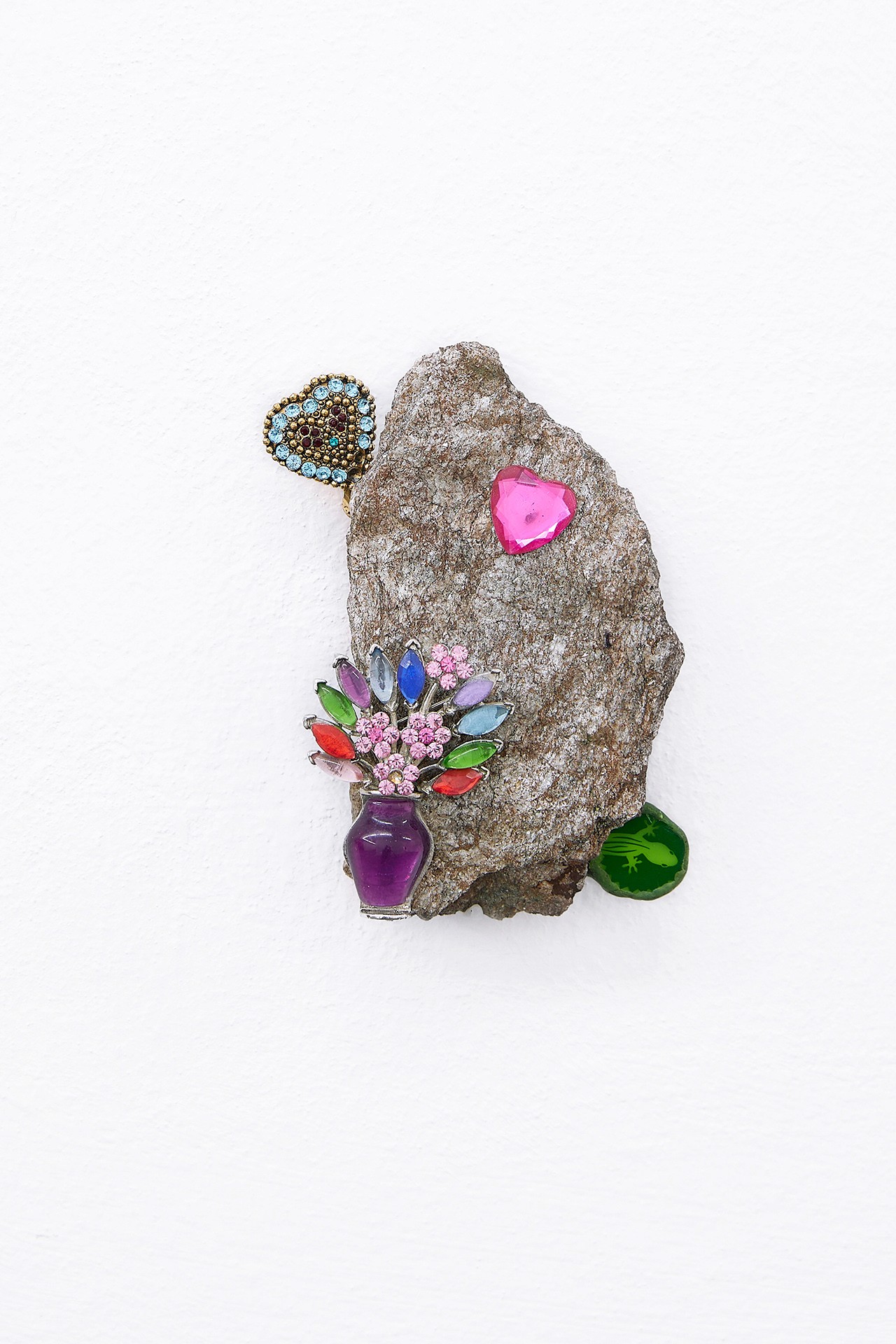
treasure, found objects, 11 x 8 x 3 cm, 2023
treasure, found objects, 11 x 8 x 3 cm, 2023
treasure, found objects, 11 x 8 x 3 cm, 2023
treasure, found objects, 11 x 8 x 3 cm, 2023
treasure, found objects, 11 x 8 x 3 cm, 2023
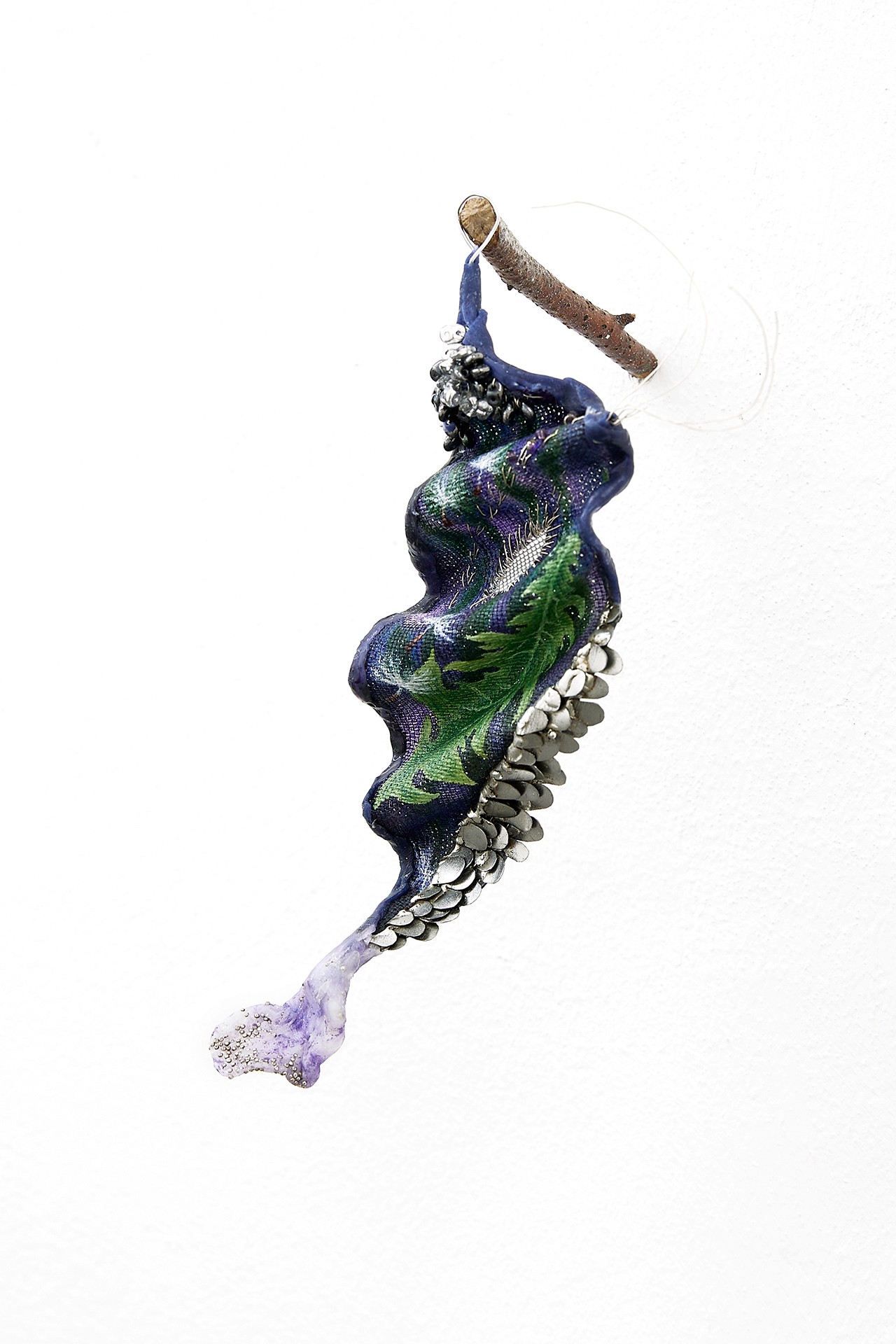
dandelion mask, found objects, metal and oil, on woven paper, polymorph, 18 x 11 x 9 cm, 2023
dandelion mask, found objects, metal and oil, on woven paper, polymorph, 18 x 11 x 9 cm, 2023
dandelion mask, found objects, metal and oil, on woven paper, polymorph, 18 x 11 x 9 cm, 2023
dandelion mask, found objects, metal and oil, on woven paper, polymorph, 18 x 11 x 9 cm, 2023
dandelion mask, found objects, metal and oil, on woven paper, polymorph, 18 x 11 x 9 cm, 2023
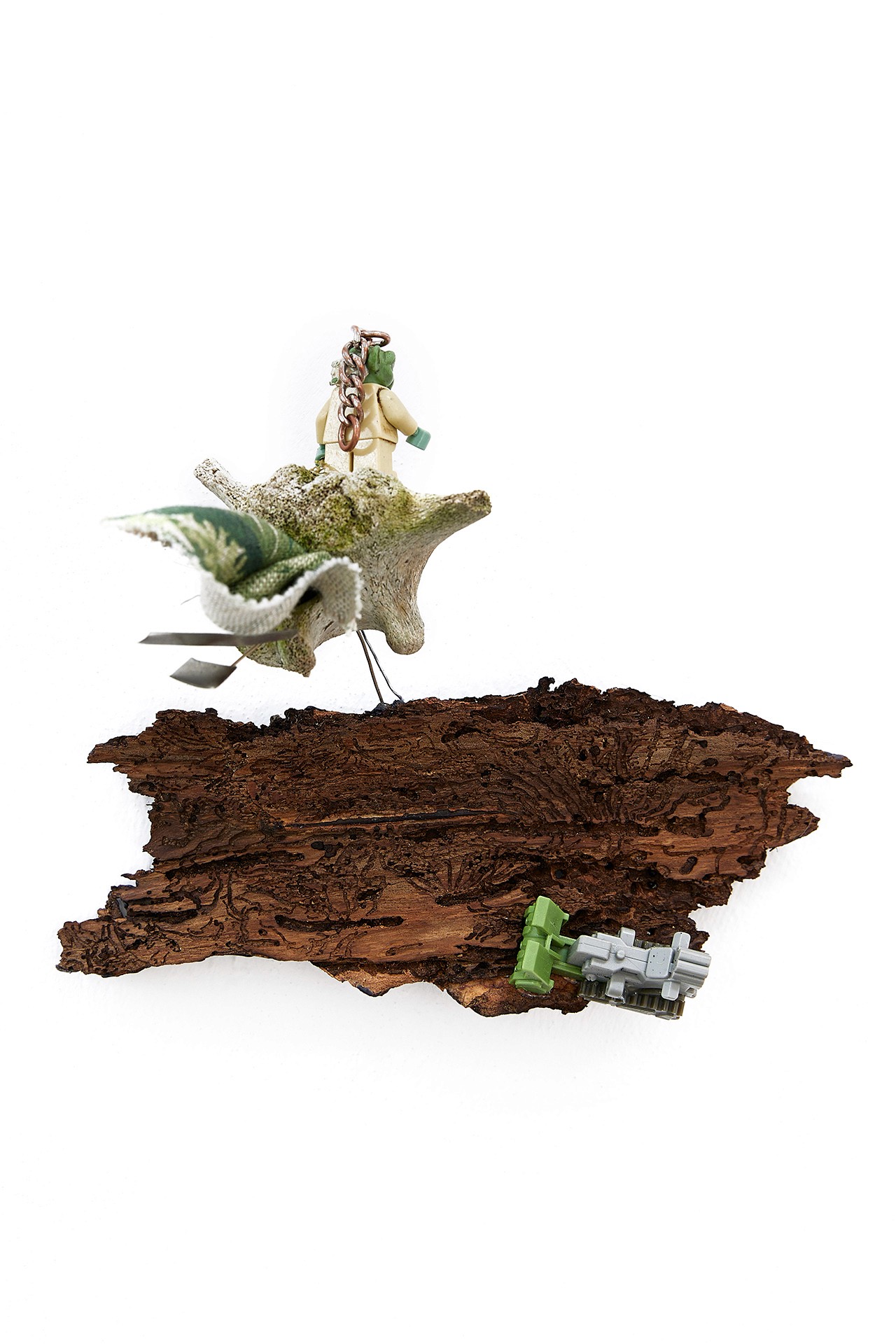
surfacing, found objects, 16 x 19 x 13 cm, 2023
surfacing, found objects, 16 x 19 x 13 cm, 2023
surfacing, found objects, 16 x 19 x 13 cm, 2023
surfacing, found objects, 16 x 19 x 13 cm, 2023
surfacing, found objects, 16 x 19 x 13 cm, 2023
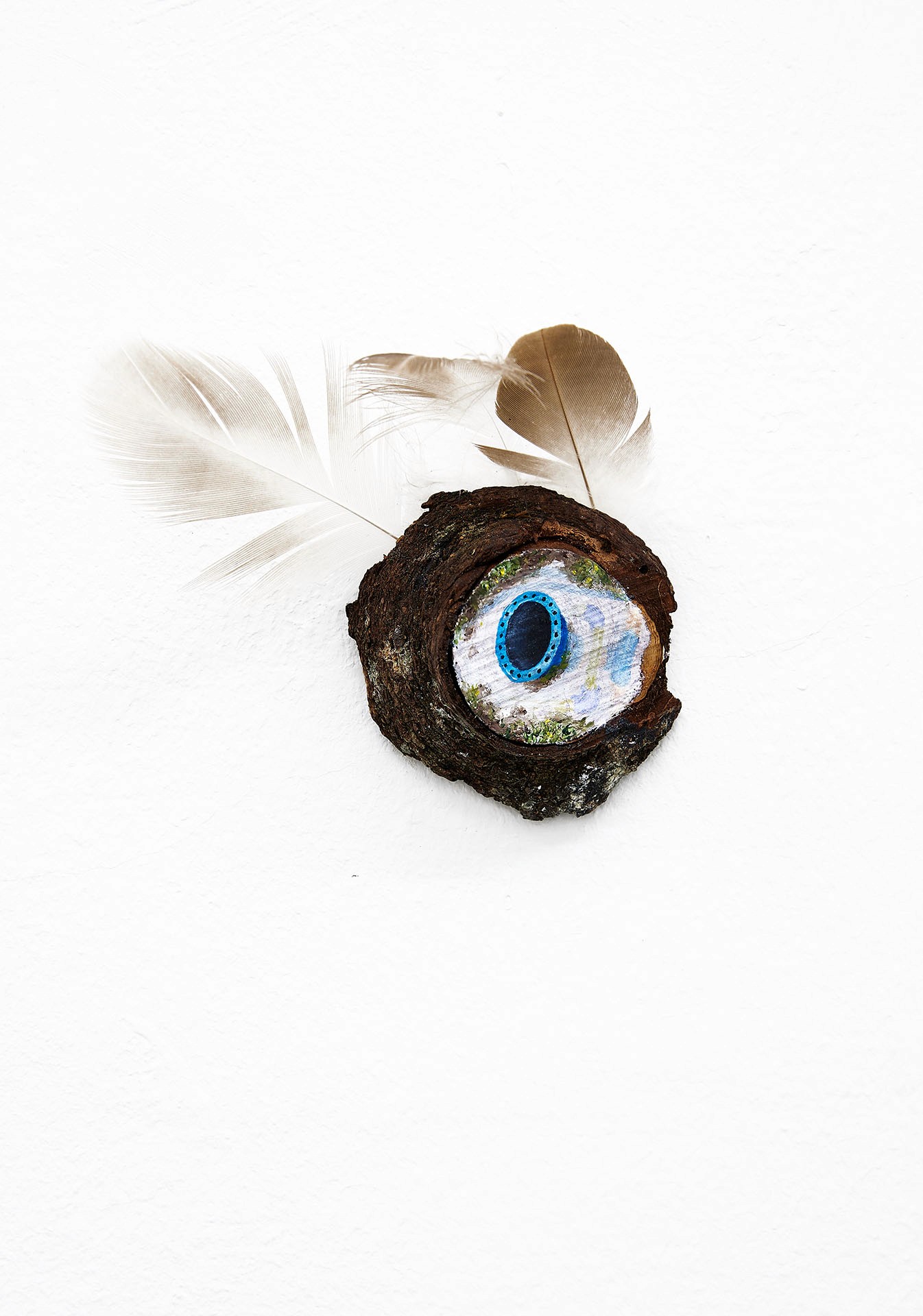
pipe in spring landscape, found objects, acrylic and oil on wood, 12 x 11 x 4 cm, 2023
pipe in spring landscape, found objects, acrylic and oil on wood, 12 x 11 x 4 cm, 2023
pipe in spring landscape, found objects, acrylic and oil on wood, 12 x 11 x 4 cm, 2023
pipe in spring landscape, found objects, acrylic and oil on wood, 12 x 11 x 4 cm, 2023
pipe in spring landscape, found objects, acrylic and oil on wood, 12 x 11 x 4 cm, 2023
Photos: Verena Nagl
Photos: Verena Nagl
Photos: Verena Nagl
Photos: Verena Nagl
Photos: Verena Nagl